Best Robot Vacuums: What to Know Before Buying
Robot vacuums have quickly become one of the most popular smart home appliances. Instead of manually vacuuming the floor, these small automated cleaners move around your home and remove dust, dirt, and debris automatically.
But with dozens of brands and models on the market, choosing the right robot vacuum can be confusing. Some models include advanced navigation systems, while others focus on simple daily cleaning.
This guide explains how robot vacuums work, compares popular brands, and highlights what real users often say about them in online discussions.
Why people buy them
Robot vacuums save time by automatically cleaning floors while you focus on other tasks.
Where they work best
They work well in apartments, homes with hard floors, and houses where daily maintenance cleaning is helpful.
Why they became popular
Improved sensors, better battery life, and smart mapping technology made robot vacuums much more reliable in recent years.
Top Robot Vacuum Brands
Several brands dominate the robot vacuum market. Each focuses on different strengths such as navigation technology, suction power, or smart home integration.
- iRobot Roomba – one of the oldest and most recognizable robot vacuum brands
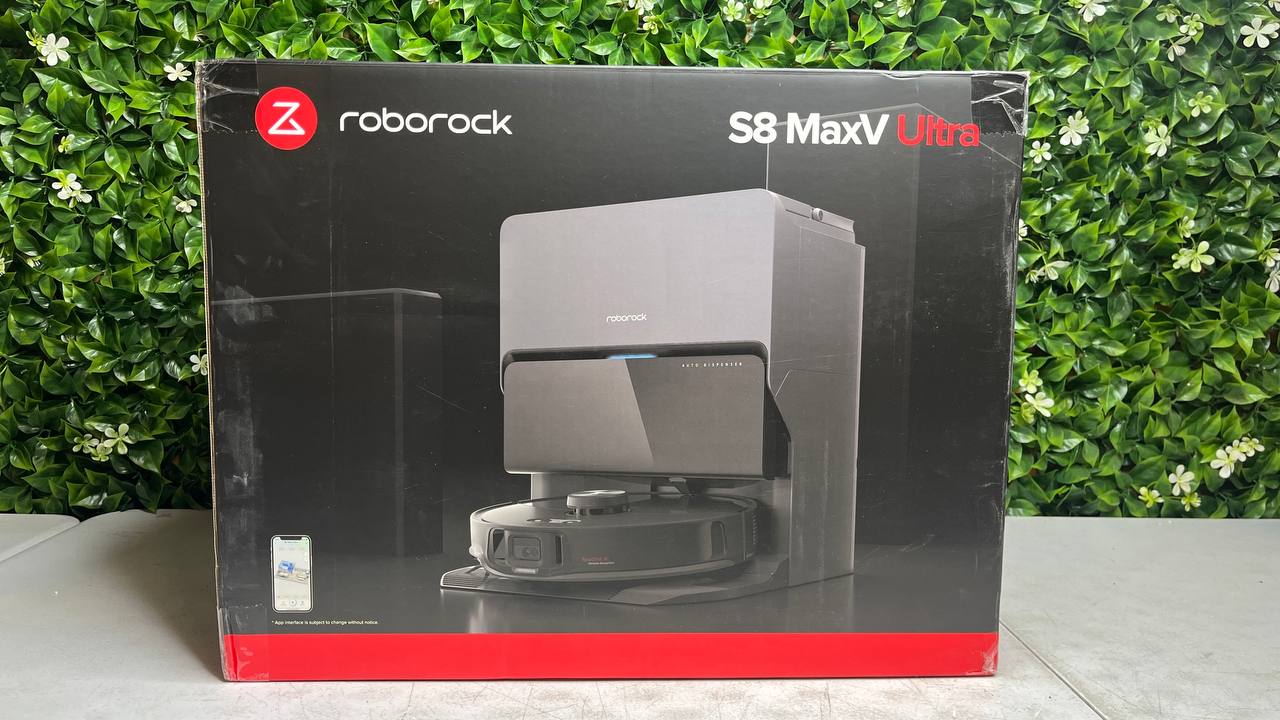
- Roborock – known for strong navigation systems and powerful cleaning
- Ecovacs Deebot – popular for models that vacuum and mop
- Shark – known for good value and strong suction
- Eufy – affordable models with simple design
Many of these brands regularly appear in product comparisons from sites like Consumer Reports and Wirecutter.
Navigation Technology: Cameras, LiDAR and Sensors
One of the biggest differences between robot vacuums is the navigation system. Early models moved randomly around a room, but modern models often map your home.
Three common navigation types include:
- Basic sensors – simple obstacle detection
- Camera navigation – visual mapping of rooms
- LiDAR laser mapping – advanced scanning used in premium models
LiDAR systems are often considered the most accurate because they scan the room using a rotating laser sensor. This allows the robot to build a detailed map of the home.
What Users Say on Reddit
Online communities often discuss robot vacuum performance, and Reddit threads regularly compare different brands.
Many users say Roborock models perform very well for navigation and cleaning efficiency. Roomba is often praised for reliability and long-term durability.
Some users report that cheaper models can struggle with thick carpets, pet hair, or complex floor layouts. Because of this, many buyers recommend choosing a robot vacuum with smart mapping rather than a random navigation system.
Source: Reddit Robot Vacuum Discussions
Common Mistakes When Buying a Robot Vacuum
Some buyers choose a robot vacuum based only on price, but several factors can affect performance.
- Buying a robot that is too weak for carpets
- Ignoring navigation technology
- Choosing a model with small battery capacity
- Not checking dustbin size
Understanding these features helps buyers choose a robot vacuum that fits their home layout and cleaning needs.
Can You Buy Robot Vacuums for Less?
Robot vacuums can sometimes cost several hundred dollars at retail stores. However, some models appear in liquidation inventory, open-box returns, or overstock batches.
This means it is sometimes possible to buy the same appliances at a significantly lower price than traditional retail stores.
Browse Robot Vacuum Deals
If you want to explore robot vacuums currently available in our inventory, you can browse our catalog below.
Browse Robot Vacuum Deals More Home Appliance DealsInventory changes regularly, and some products appear at prices significantly below standard retail.
Final Thoughts
Robot vacuums have improved significantly over the past decade. Modern models include better sensors, smarter navigation systems, and stronger cleaning power.
Whether you choose a premium brand or a more affordable model, understanding how robot vacuums work can help you find a device that fits your home and cleaning routine.
You may also find our guide helpful: How to Choose a Coffee Machine for Your Home .